Intercaste Wedding Guide for Indian Families
Love across castes is more common than ever, and families are coming around. A practical guide for intercaste couples and their families, from the first talk to the wedding day.
Love across castes
Intercaste marriages are more common in India than ever, and more families accept them than ever. Still, for many couples, telling the family is the hardest part of the wedding. The couple knows they have chosen well, but the parents worry about what relatives will say, about customs, and about a future they did not picture. Those worries are real, and they deserve a patient answer, not a fight.
Start with the couple. Talk together about what each caste and community means to you, which customs you want to keep, and which you are happy to blend. When you know your own answer, the family conversation becomes easier, because you are not asking them to decide for you. You are telling them a decision you have already made, with love.
Telling the families
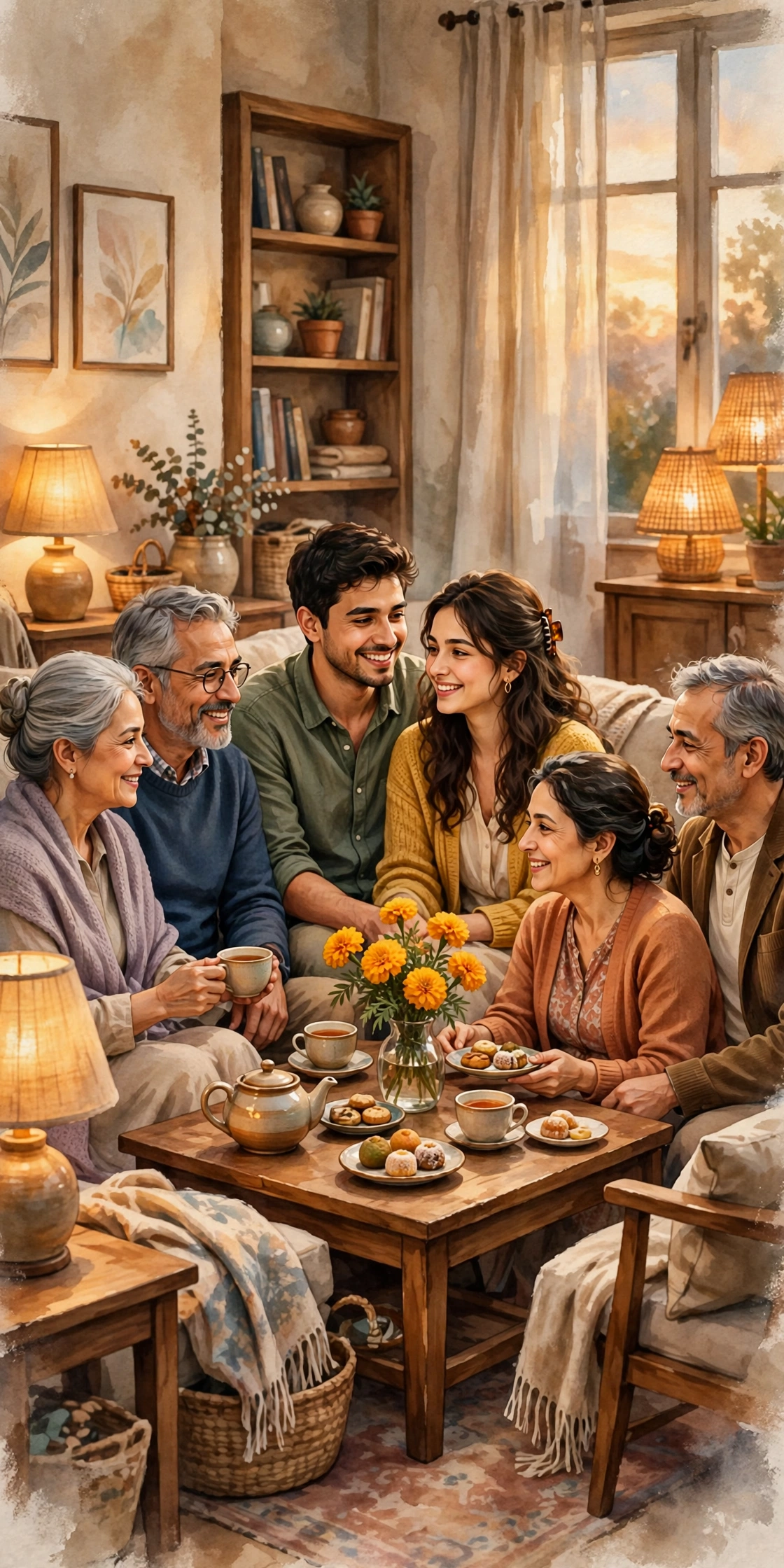
Tell the parents first, together, in person, and with time. Lead with the person, not the caste. Tell them who your partner is, what you love about them, and what kind of life you want together. Let them ask questions, and answer them honestly, even when they are hard. Do not argue in the first conversation. Listen more than you speak, and let them sit with the news.
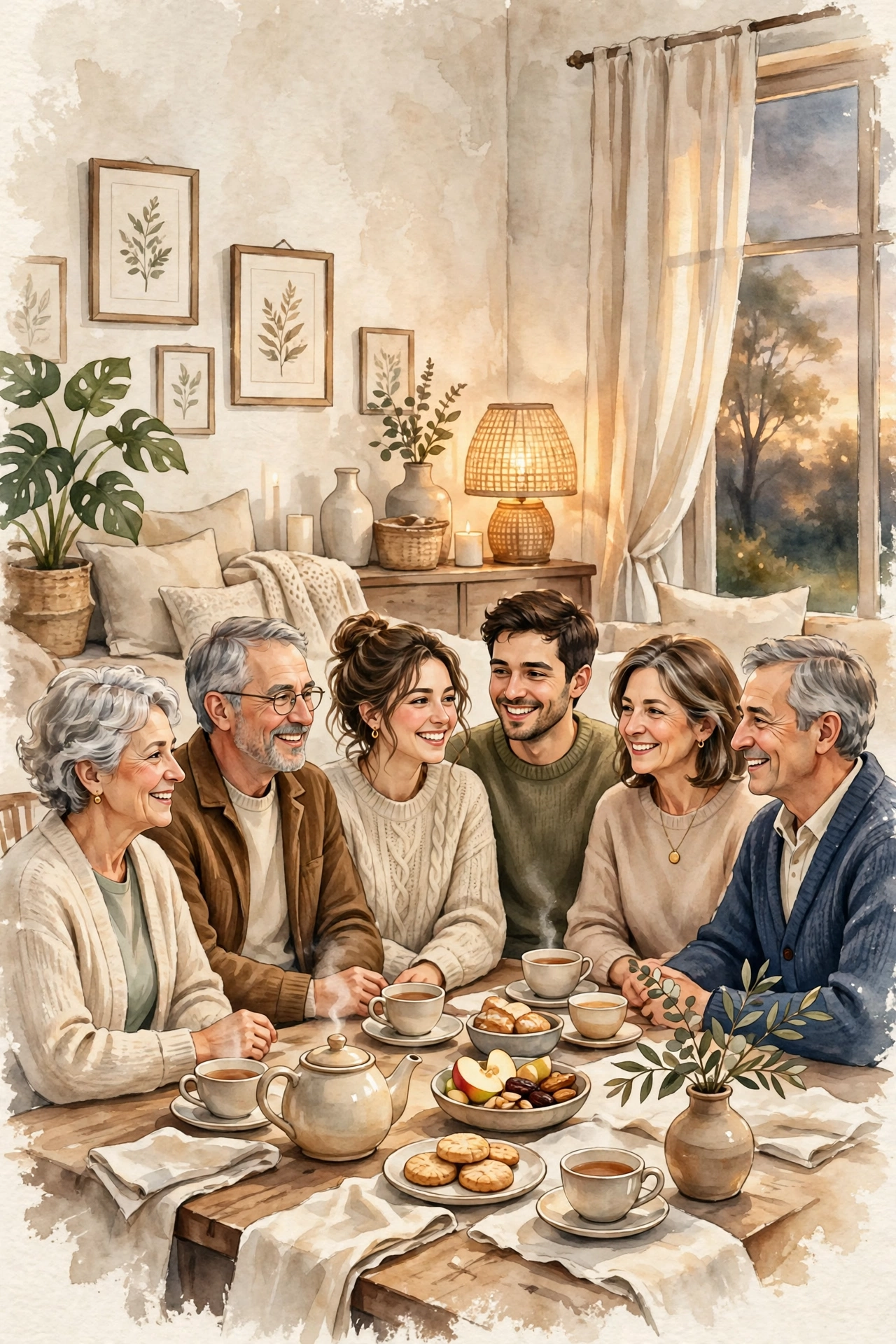
Give the families time. Some parents accept in a day, and some need weeks or months. Keep showing up, keep the conversation warm, and let them meet your partner in normal, relaxed settings, a meal at home, a festival, a family function. People accept people, not categories, and the family that meets your partner often stops seeing the caste and starts seeing the person.
Blending the customs
An intercaste wedding is a chance to blend two sets of customs into one celebration, and the blending itself can be beautiful. The ceremony can follow one tradition with elements of the other, or it can hold two ceremonies on two days. The food can carry dishes from both homes. The music can play songs both families know.
Ask the elders on both sides what matters most to them, and honour those things. A grandmother's ritual, a family song, a particular dish: these small honours make the families feel respected, and they cost the couple nothing. The wedding that blends well is the wedding where both families see themselves in it.
The legal and practical side
The law is fully on your side. An intercaste marriage is legal under the Special Marriage Act, and the Hindu Marriage Act also allows it. A court marriage is a clean way to handle the legal part, and it needs no family permission. Many states also offer incentives for intercaste marriages, such as the Dr Ambedkar scheme, so check your state portal.
On the practical side, keep the wedding simple and the guest list warm. Invite the people who support you, and let the rest come in their own time. The families that hesitate often come around after the wedding, when they see the couple happy and the marriage steady. Your job is to marry well, not to win every argument before the day.
The wedding day itself
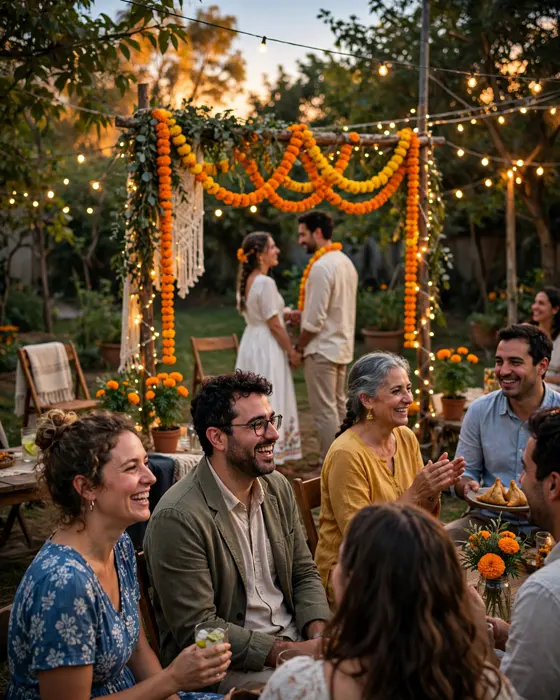
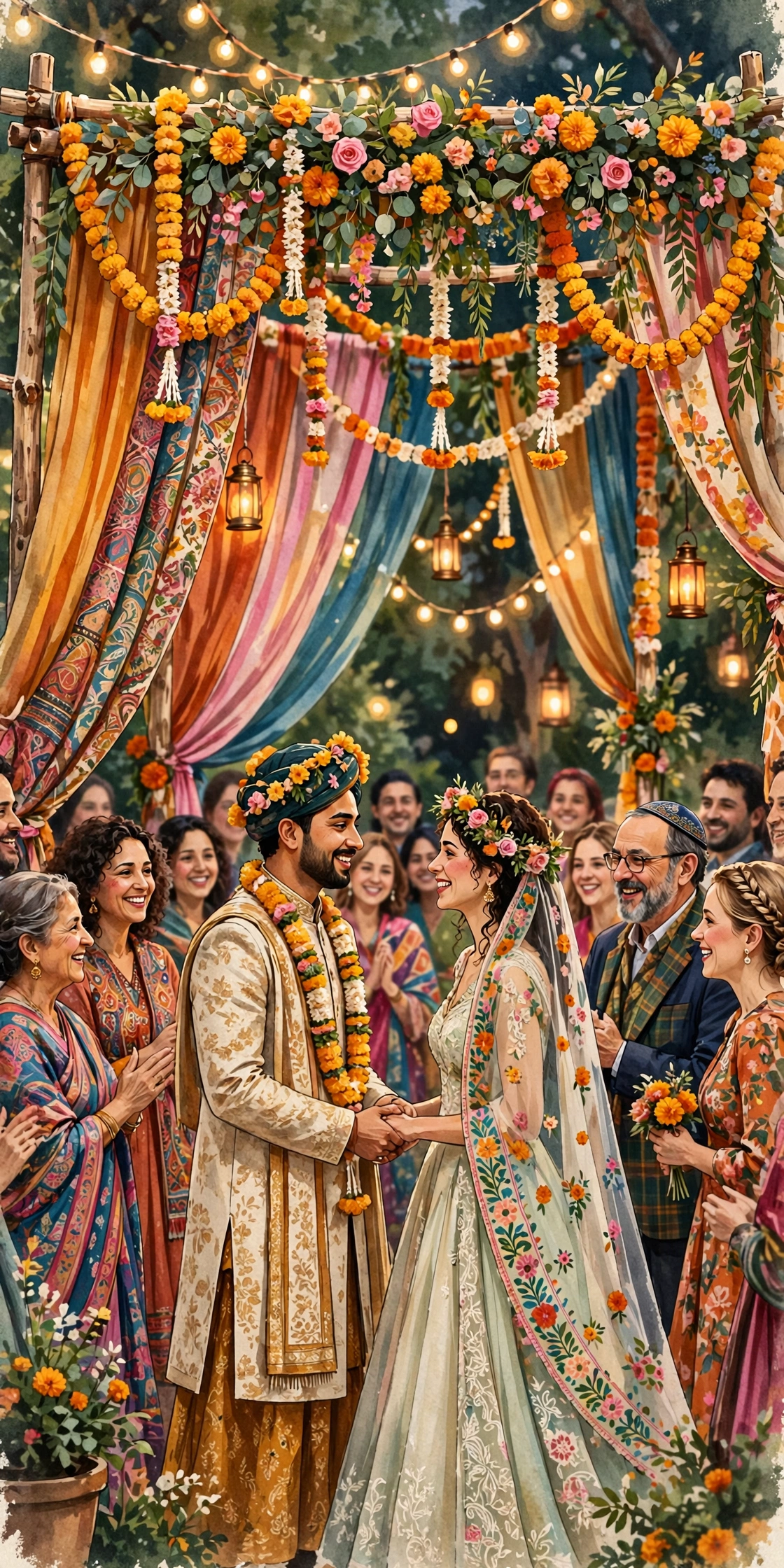
On the day, let the blending show. Seat the families together, not on separate sides, and let the food carry dishes from both homes. Play music both families know, and let the dance floor mix. The rituals can follow one tradition with elements of the other, and the elders from both sides can bless the couple together.
Keep the day simple and warm. A small guest list, a venue that feels like home, and a ceremony that honours both families will do more for acceptance than any speech. The families that were unsure will see the joy, and the joy will do the rest.
What it costs
An intercaste wedding costs what a wedding costs. Two ceremonies can add cost, so many couples hold one ceremony that blends both traditions, which keeps the budget simple. The legal part is cheap: a court marriage fee is small, and the certificate is the same for every couple.
Your wedding invitation is the one cost that stays fixed. On MyIndiAura, a Cinematic Invite is ₹499, an Invite App is ₹399, and an Invitation Suite is ₹99. See the full price list at myindiaura.com/pricing before you decide.
Before the wedding
- The couple has talked honestly about customs and blending
- Both sets of parents told together, in person, with time
- The ceremony chosen: one blended day or two ceremonies
- Elders asked what matters most to them, and honoured
- The legal part planned, with papers ready
- The guest list kept warm, with the people who support you
Frequently asked questions
Is intercaste marriage legal in India?
Yes. It is fully legal under the Special Marriage Act and the Hindu Marriage Act. No family permission is needed for the legal marriage, and many states offer incentives for intercaste couples.
How do we tell our parents about an intercaste wedding?
Tell them together, in person, and lead with the person, not the caste. Listen more than you speak, give them time, and let them meet your partner in relaxed settings.
Should we have one ceremony or two?
Both work. One blended ceremony is simpler and cheaper, and it often feels more like a joining. Two ceremonies give each tradition its full space. Choose what fits the couple and the families.
What if one family does not accept the marriage?
Give them time, keep showing up, and keep the conversation warm. Many families come around after the wedding, when they see the couple happy. The marriage does not need their permission to be legal or real.
Can we blend customs from both castes?
Yes, and it often makes the wedding more beautiful. Ask the elders what matters most to them, honour those things, and let the ceremony carry dishes, songs, and rituals from both homes.
MyIndiAura theme showcase
These Cinematic Invites from MyIndiAura fit this wedding. Each one is ₹499.
- Mandap Yatra: a walk to the mandap, right for a couple bringing two families together.
- Deepa Tarang: lamps and blessings, made for a ceremony of welcome.
- Neelam Mandapam: a temple mandap at dusk, right for a traditional ceremony.
Related reading
- Wedding Invitation Etiquette for Indian Families
- Heartfelt Wedding Invitation Messages from Parents
- Interfaith Wedding Guide for Indian Couples
An intercaste wedding works when the couple is steady and the families are honoured. Tell them with love, blend the customs with care, and let the day speak for itself.
Explore invitation designs
Choose a design and preview it free with your own names.
Found this useful? Share it with someone planning a celebration.
Share