Groom Outfit Shopping Guide: Where to Buy in India
From Chandni Chowk to designer studios, India gives grooms more choice than any other country. Here is where to shop, what each place does best, and how to avoid the traps.
Start with the kind of shopping you want
Groom outfit shopping in India falls into four kinds: the big wedding markets, the branded stores, the designer studios, and the local tailor. Each does something best, and each has a trap. The groom who knows which kind he needs for which outfit will shop faster, spend better, and enjoy the process more.
The wedding ceremony sherwani deserves the most careful shopping. The haldi kurta deserves the fastest. The reception bandhgala sits in the middle. Match the shopping to the outfit, not the other way round.
The big wedding markets: Delhi, Mumbai and Jaipur
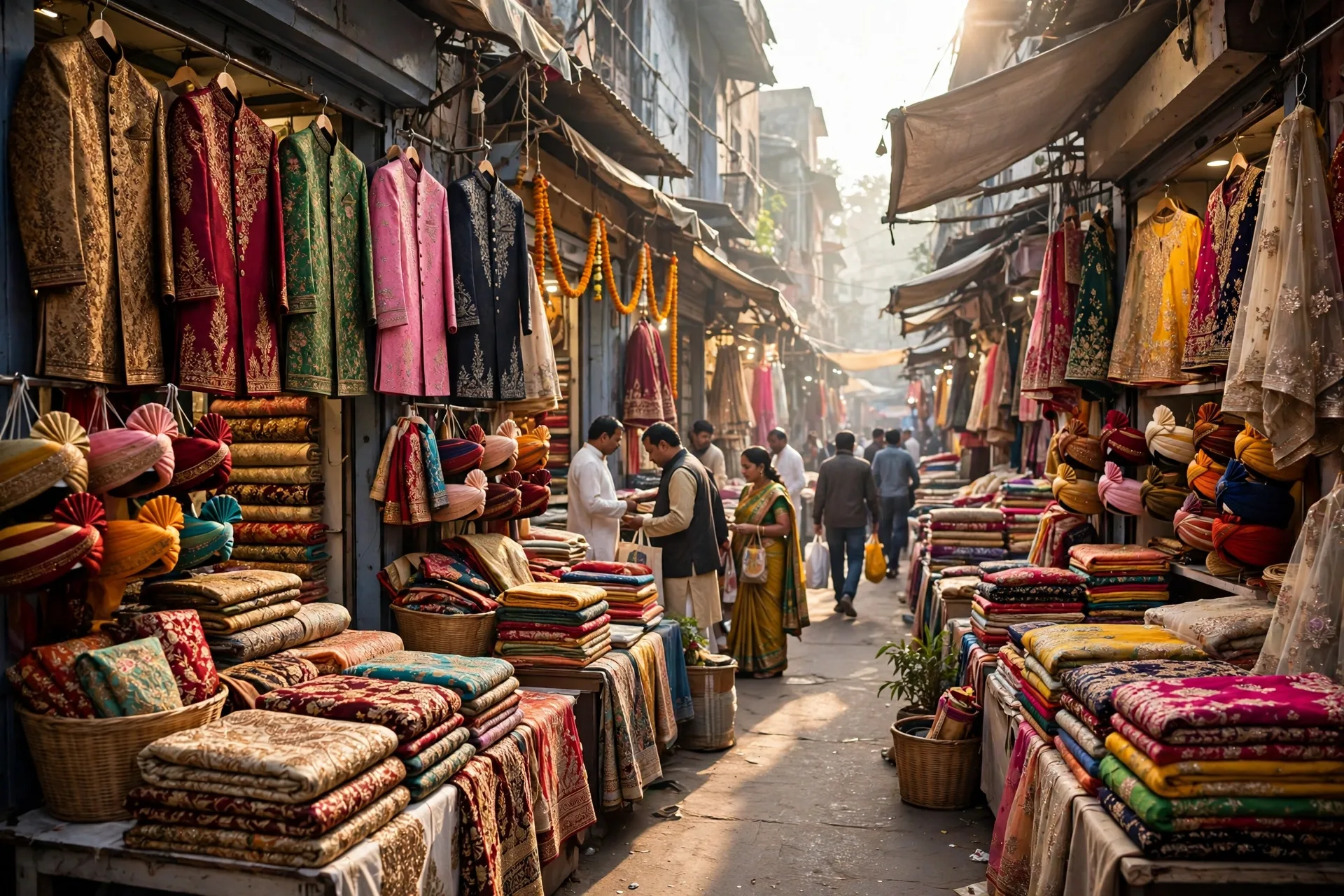
Chandni Chowk in Delhi is the most famous groom's market in India, and for good reason. Hundreds of shops sell sherwanis, Jodhpuris, safas and mojaris at every price, and the competition keeps prices honest. A groom can compare ten sherwanis in an hour and learn more about fabric in one morning than in a month of browsing online.
The trap in Chandni Chowk is the hard sell. Shopkeepers will push the most expensive piece first, and the crowds and the noise make it hard to think. Go with a clear budget, go early in the morning, and take someone who will say no for you. Never buy the first sherwani you try, and never buy on the first visit if you can avoid it.
Mumbai's markets, around Linking Road and in the south of the city, are better for Indo-western and modern outfits. Jaipur is the best city for Jodhpuri suits, bandhgalas and traditional Rajasthani work, and the prices are often lower than in Delhi for the same quality.
Branded stores: reliable and easy
Branded menswear stores are the easiest place to shop for a groom who wants reliability. The sizing is standard, the quality is consistent, the exchange policy is clear, and the staff will help with fitting. For a bandhgala, a suit or a kurta set, a good brand store is often the best choice.
The trap with brands is the sameness. A branded sherwani can look like every other branded sherwani, and the embroidery is usually machine work rather than hand work. If you want something distinctive for the ceremony, a brand store is better for the reception outfit than for the wedding sherwani.
Designer studios: distinctive and expensive
Designer studios are where the most distinctive groom's outfits come from. A designer sherwani has a point of view: a particular cut, a particular embroidery, a particular colour story. If the groom wants to look different from every other groom, this is where to go.
The trap is the price and the time. Designer outfits cost significantly more, and they need more time: eight to twelve weeks is normal, with multiple fittings. Book the designer first, before the other outfits, and be honest about the budget. A good designer will work within it, and a bad one will push past it.
The local tailor: the secret weapon
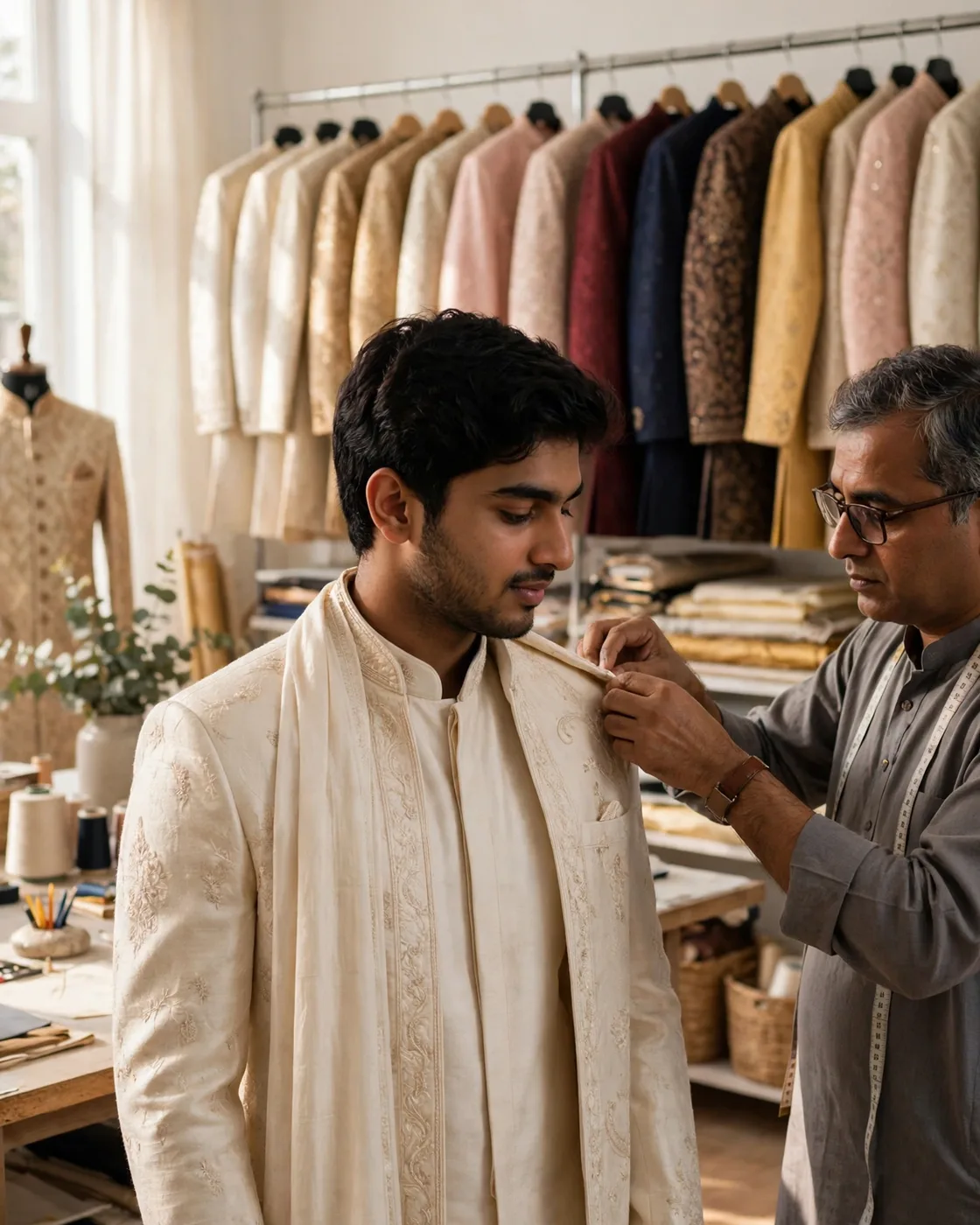
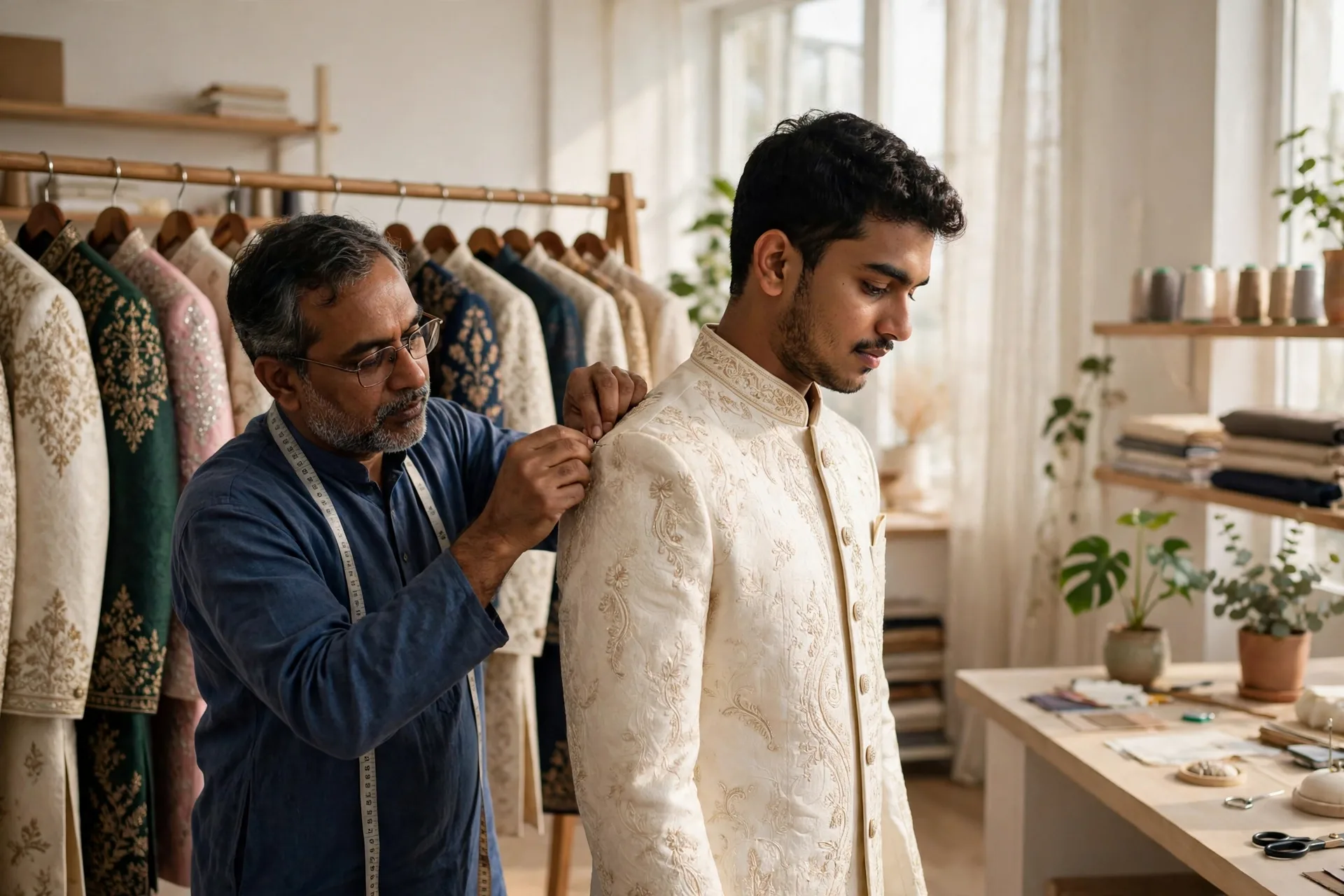
A good local tailor, one the family has used for years, is often the best value in groom shopping. He knows your body, he knows your taste, and he will make a sherwani or a bandhgala in the fabric you choose, at a fair price. Many of the best dressed grooms in India wear a local tailor's work, not a designer's.
The trap is the fabric. A tailor is only as good as the cloth you give him, so buy the fabric from a good shop and take it to the tailor, rather than letting the tailor supply it. Ask to see his recent work, and ask for a timeline in writing, because tailors in wedding season run late.
Shopping online: useful, with limits
Online shopping is useful for comparing prices, for buying kurtas and accessories, and for finding ideas. It is not the best way to buy a sherwani, because the fit and the fabric cannot be judged on a screen. If you buy online, buy from a store with a clear return policy, and order at least a month early so there is time to exchange or alter.
For accessories, shoes and kurtas, online shopping works well. For the ceremony sherwani, go to a shop, try it on, and feel the fabric. No photograph replaces that.
A shopping timeline that works
Six months before the wedding, start looking and shortlist the style. Four months before, buy the fabric or order the sherwani. Three months before, do the first fitting. Two months before, buy the reception and sangeet outfits. One month before, buy the haldi and mehndi kurtas, the shoes and the accessories. Two weeks before, do the final fitting with everything on, including the safa and the shoes.
What it costs
Shopping in a market like Chandni Chowk typically costs the least for the same quality, with good sherwanis from around ₹15,000. Branded stores typically start around ₹20,000 for a sherwani. Designer studios typically start around ₹50,000 and go much higher. A local tailor typically charges ₹5,000 to ₹15,000 for the making, plus the cost of the fabric. The right choice depends on the budget and on how distinctive the groom wants to look.
Frequently asked questions
Where is the best place to buy a groom's sherwani in India?
Chandni Chowk in Delhi for choice and value, a designer studio for something distinctive, and a trusted local tailor for the best fit at a fair price. The best place depends on the budget and the style the groom wants.
How far in advance should a groom start shopping?
Six months before the wedding for looking, four months before for ordering the sherwani. Designer outfits need eight to twelve weeks, and market shopping needs at least two visits, so do not leave it to the last month.
Is it safe to buy a sherwani online?
For kurtas and accessories, yes. For the ceremony sherwani, no, not as the only option. The fit and the fabric cannot be judged on a screen, so buy the sherwani in a shop and use online shopping for the rest.
Should the groom shop alone or with family?
With one or two people whose taste he trusts, not with a crowd. A crowd gives conflicting advice and slows every decision. The bride's opinion on colour matters, so involve her in the colour choice, even if she does not come to every shop.
MyIndiAura theme showcase
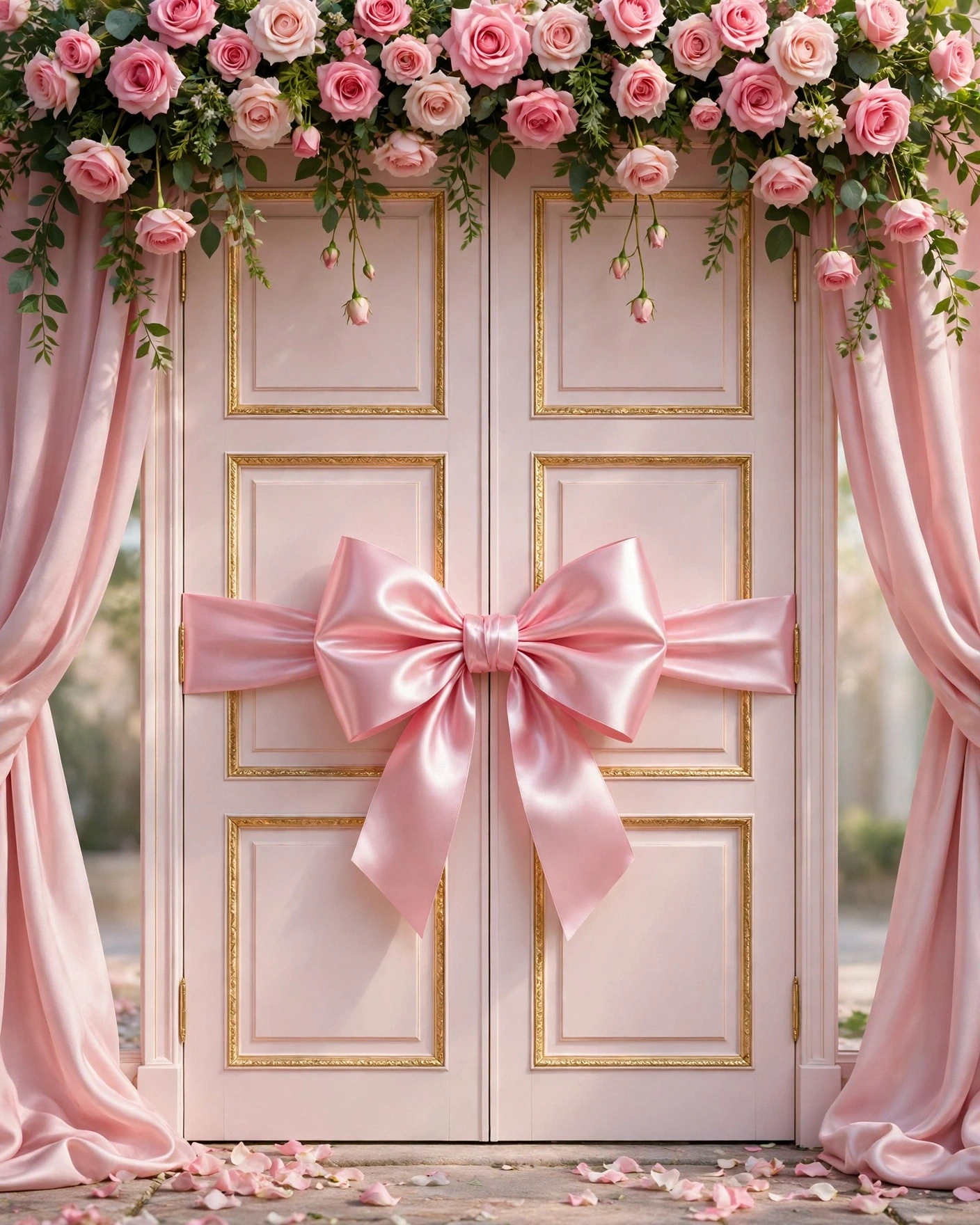
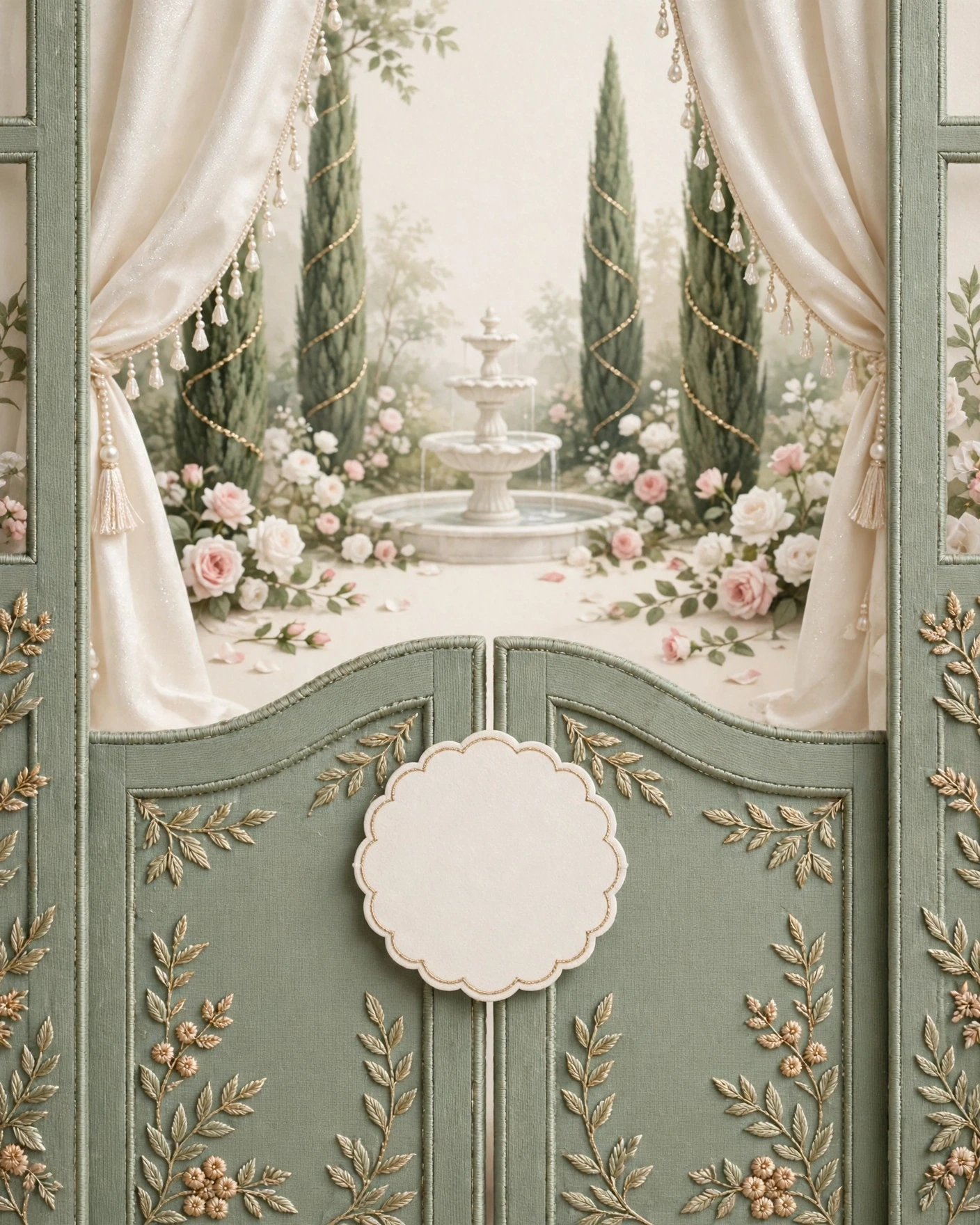
These Cinematic Invites from MyIndiAura fit this wedding. Each one is ₹499.
- Wedding Post: a classic warm opening for a traditional wedding.
- Arched Doors: grand arches for a groom who shopped in the old city.
- Charbagh Dastaan: gardens and heritage paths for a traditional ceremony.
Related reading
- Indian Wedding Planning Checklist: 12 Months to the Wedding Day
- How to Choose the Perfect Wedding Invitation Theme
- Indian Wedding Planning Timeline: From Engagement to Wedding Day
Match the shopping to the outfit, go early, take one trusted person, and never buy the first sherwani you try.
Explore invitation designs
Choose a design and preview it free with your own names.

Found this useful? Share it with someone planning a celebration.
Share