Wedding Vendor Payment Schedule Guide
Paying vendors in the right stages protects the family and keeps vendors motivated, so here is a schedule that works for every booking.
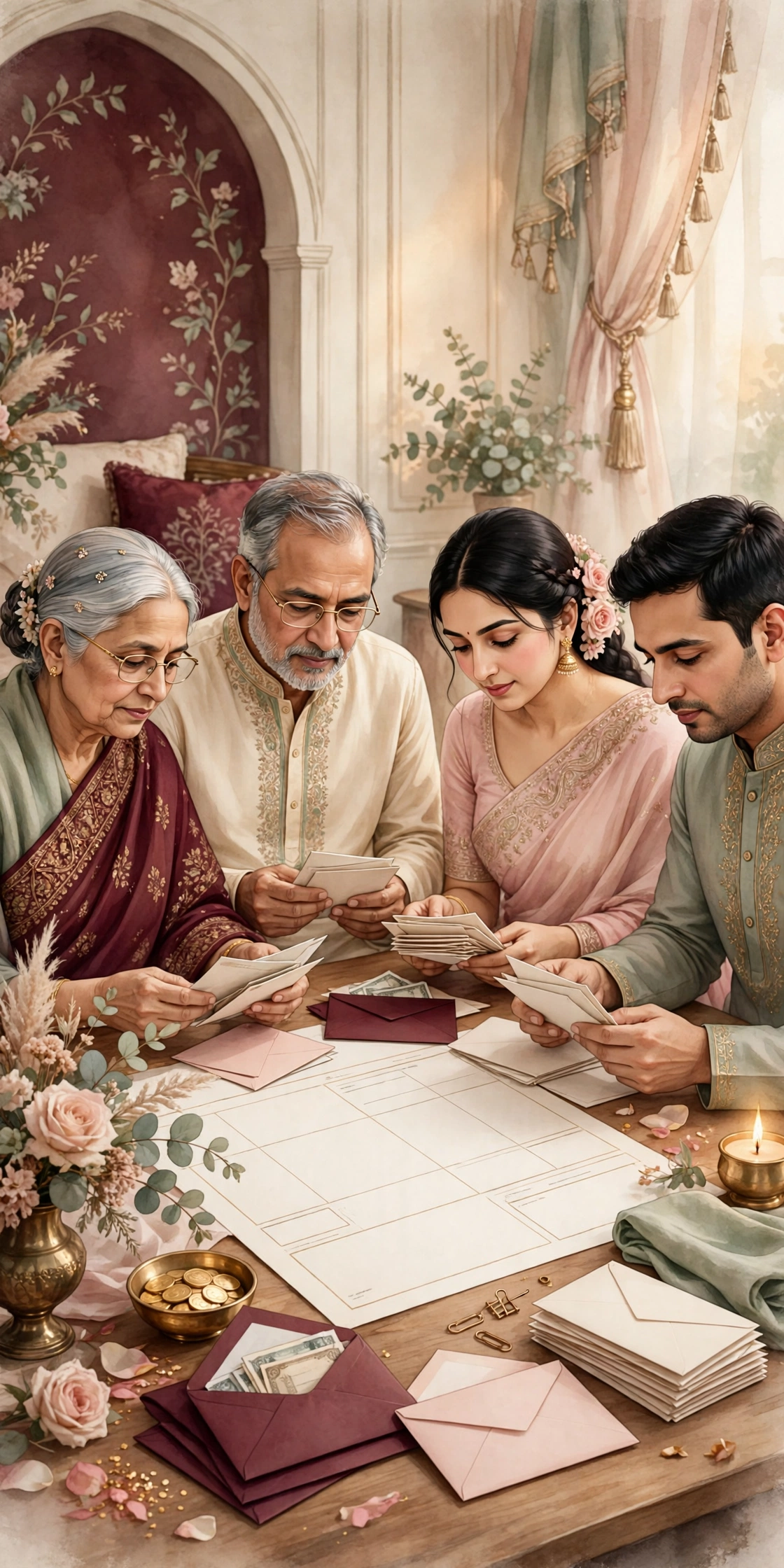
Why the payment schedule matters as much as the price
The price of a vendor is only half the agreement. The other half is when the money moves. A family that pays everything upfront has no leverage left when the work is late or incomplete. A vendor who is paid nothing until the wedding day may not hold the date. The right schedule protects both sides: the vendor knows the family is serious, and the family knows the vendor will finish the work.
The standard schedule is simple, and it works for almost every vendor: a booking advance of twenty to thirty percent, a middle payment a month before the wedding, and the balance after the function. Each stage matches a stage of the work. The advance holds the date. The middle payment funds the preparation. The balance pays for the finished work, once the family has seen it.
This schedule should be written into every agreement, with the dates and the amounts. A verbal understanding about payments is easy to forget, and easier to dispute. When the schedule is written down, both sides can point to it, and the wedding week stays free of money arguments. That alone is worth the effort.
The advance: small, recorded, and never in cash
The advance should be twenty to thirty percent of the total, and it should be paid by bank transfer, never in cash. A bank transfer leaves a record: the amount, the date, and the account it went to. Cash leaves nothing, and a vendor who later denies receiving it cannot be proved wrong. Always ask for a receipt, even for a bank transfer, with the vendor's name, the date, and the purpose written on it.
An advance above fifty percent is a warning sign. It usually means the vendor is using your money to fund other weddings, or that they are not confident you will stay. A vendor who insists on a large advance should explain why, and the explanation should be in writing. If the explanation is not convincing, walk away. A lost date is cheaper than a lost advance.
The advance should also have a clear refund rule. If the family cancels by a certain date, what comes back. If the vendor cancels, what comes back, and by when. These terms are rarely discussed, and they are the terms that matter most when something goes wrong. Ask for them before paying, and get them in the agreement.

The middle payment: a month before, after a check
The middle payment, usually forty to fifty percent, falls about a month before the wedding. Before paying it, check that the preparation is real. Has the decorator shown the design. Has the caterer confirmed the menu and the tasting. Has the photographer confirmed the team and the timings. A middle payment should follow a visible step forward, not only a date on the calendar.
The balance: after the work, on the day or just after
The balance, usually twenty to thirty percent, should be paid after the function, once the work is done. For the venue and the caterer, that means the evening of the wedding, or the next morning, after the family has seen the hall and the food. For the photographer and the videographer, it means after the delivery of the agreed photos and films, or after the raw files are handed over, as the agreement says.
Never let a vendor collect the full balance before the function begins. A vendor who has been paid in full has no reason to stay for the last hour, to fix the small problems, or to return the next day for the cleanup. Keep the balance until the work is complete, and say so plainly when you book. A professional vendor expects this, and will not be offended.
Prepare the balance payments before the wedding week. Put each amount in a labelled envelope, with the vendor's name and the amount written on it. Give the envelopes to one person, the planner or a trusted family member, who pays them as each function ends. The couple should not be handling cash on their wedding day. Their job is the ceremony, not the accounts.
What to do when a payment goes wrong
If a vendor asks for more money than agreed, stop and check the agreement. If the extra is for a change the family asked for, and the change was written down with its price, pay it. If the extra is for something that was already included, point to the agreement and refuse politely. Most disputes end there, because the agreement is clear.
If a vendor cancels, the refund terms in the agreement decide what comes back. A vendor who cancels close to the wedding should return the advance in full, and promptly. If they refuse, a written complaint, with the receipts and the agreement attached, is the first step. Keep every message, because the record is what settles the matter.

What it costs
On MyIndiAura, a Cinematic Invite is ₹499, an Invite App is ₹399, and an Invitation Suite is ₹99. Choose by what your invitation needs to do, not by price alone. A cinematic invite suits a wedding with a film led opening, while an invite app suits a full week of functions with RSVP and maps.
How to create your wedding invitation
- Pick a design from the designs page at myindiaura.com/designs.
- Add the names, the venue, the order of events, and the final timings.
- Add photos of the couple, the venue map, and the RSVP button.
- Preview the invitation on your own phone, then share the link on WhatsApp. See myindiaura.com/create to start, and myindiaura.com/pricing for the full price list.
Details to check before you send
- Every vendor agreement carries the payment schedule with dates and amounts
- The advance at twenty to thirty percent, paid by bank transfer with a receipt
- The refund terms written down before any money is paid
- The middle payment tied to a visible step forward, with changes priced in writing
- The balance kept for after the function, in labelled envelopes with one payer
- One payment record kept current, with vendor, amount, date, method and receipt
Frequently asked questions
How much advance should we pay a wedding vendor?
Twenty to thirty percent to book, a middle payment of forty to fifty percent a month before, and the balance of twenty to thirty percent after the function. An advance above fifty percent is a warning sign, and the full amount should never be paid before the wedding.
Should we pay vendors in cash or by bank transfer?
By bank transfer, always. A transfer leaves a record of the amount, the date, and the account. Cash leaves nothing, and a dispute about cash is very hard to settle. Ask for a receipt for every payment, whatever the method.
What if a vendor asks for extra money during the wedding?
Check the agreement first. If the extra is for a change the family asked for, and it was written down with its price, pay it. If it was already included, point to the agreement and refuse politely. Do not pay extra in anger, and keep a record of what was said.
MyIndiAura theme showcase
These Cinematic Invites from MyIndiAura fit this wedding. Each one is ₹499.
- Cream Crest: a classic cream and gold design for a traditional wedding.
- Atelier Seal: an elegant sealed invitation for a formal celebration.
- Velvet Curtain: a theatre style reveal for the ceremony.
Related reading
- Wedding Budget Planner: Essential Expenses to Include
- How to Plan a Wedding on a Budget in India
- Indian Wedding Planning Checklist: 12 Months to the Wedding Day
Pay in stages, and the vendors will finish the work.
Explore invitation designs
Choose a design and preview it free with your own names.



Found this useful? Share it with someone planning a celebration.
Share