Wedding Photography Styles: Candid vs Traditional
Candid and traditional photography do different jobs at a wedding. Here is what each style gives you, how they work together, and how to choose the mix that suits your family.
What traditional photography gives you
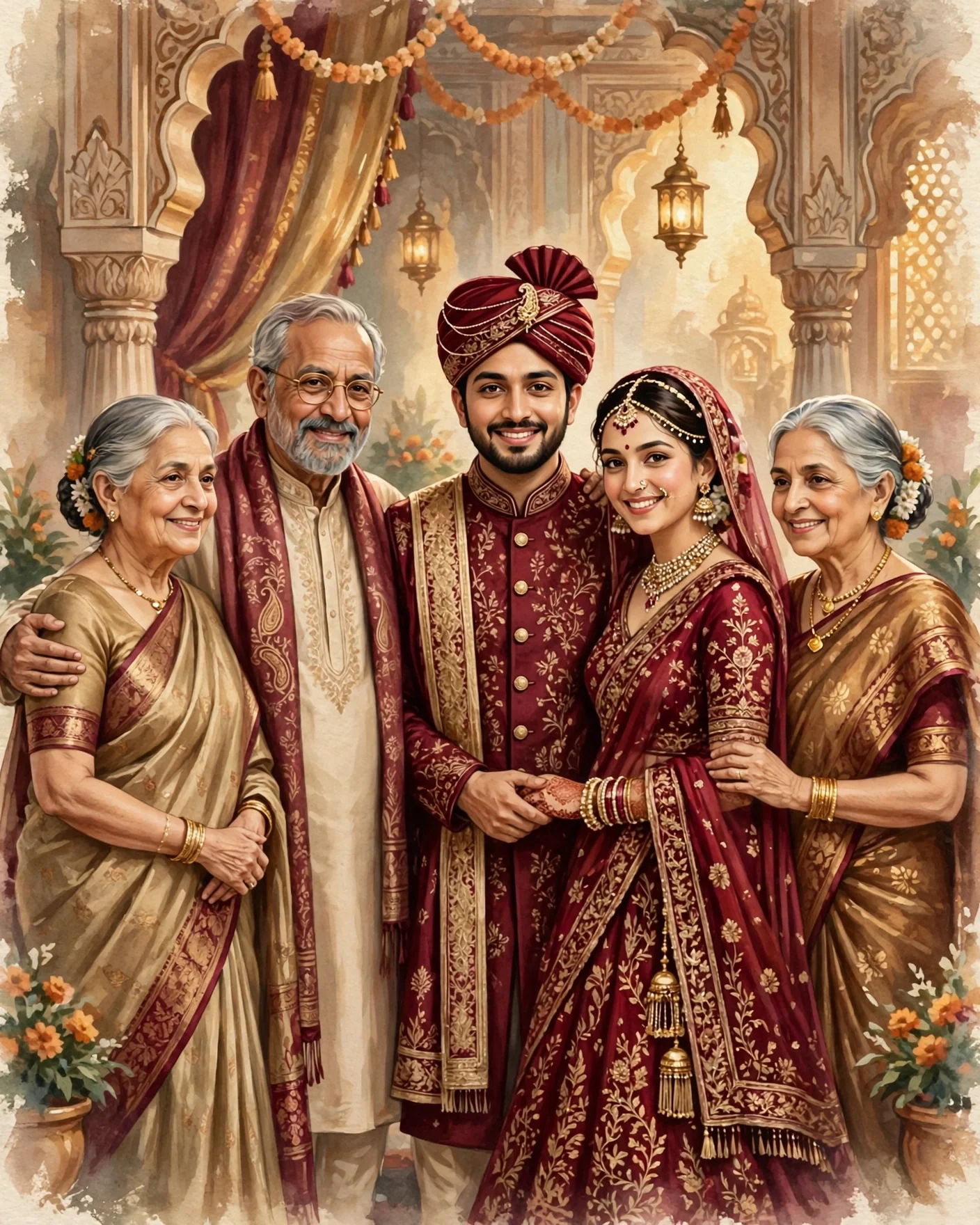
Traditional wedding photography is the family record. It covers the rituals in order, with posed group photographs of the family, the couple with each set of relatives, and the key moments of each ceremony. The photographer directs: stand here, look at the camera, hold the varmala a little higher. The result is a clear, complete record that every generation of the family understands.
This style matters most for the moments your family will ask about for years. The pheras, the kanyadaan, the vidaai, the family groups. Grandparents want a photograph with the couple that they can frame and keep. Parents want the rituals documented properly, so the album tells the story of the day in order. Traditional photography is not old fashioned. It is the part of the album that outlasts fashion, because it shows what actually happened, with everyone present and in focus.
What candid photography gives you
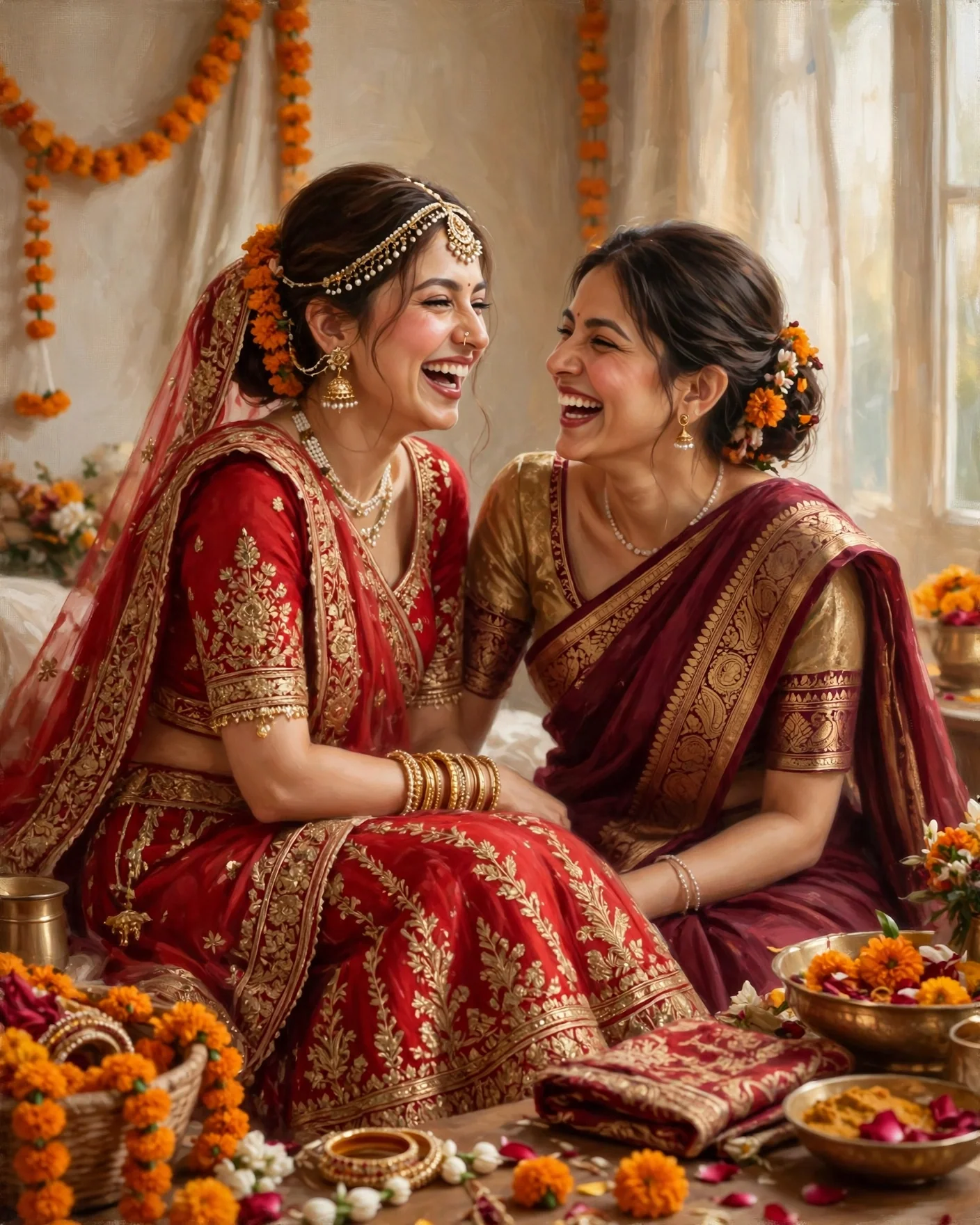
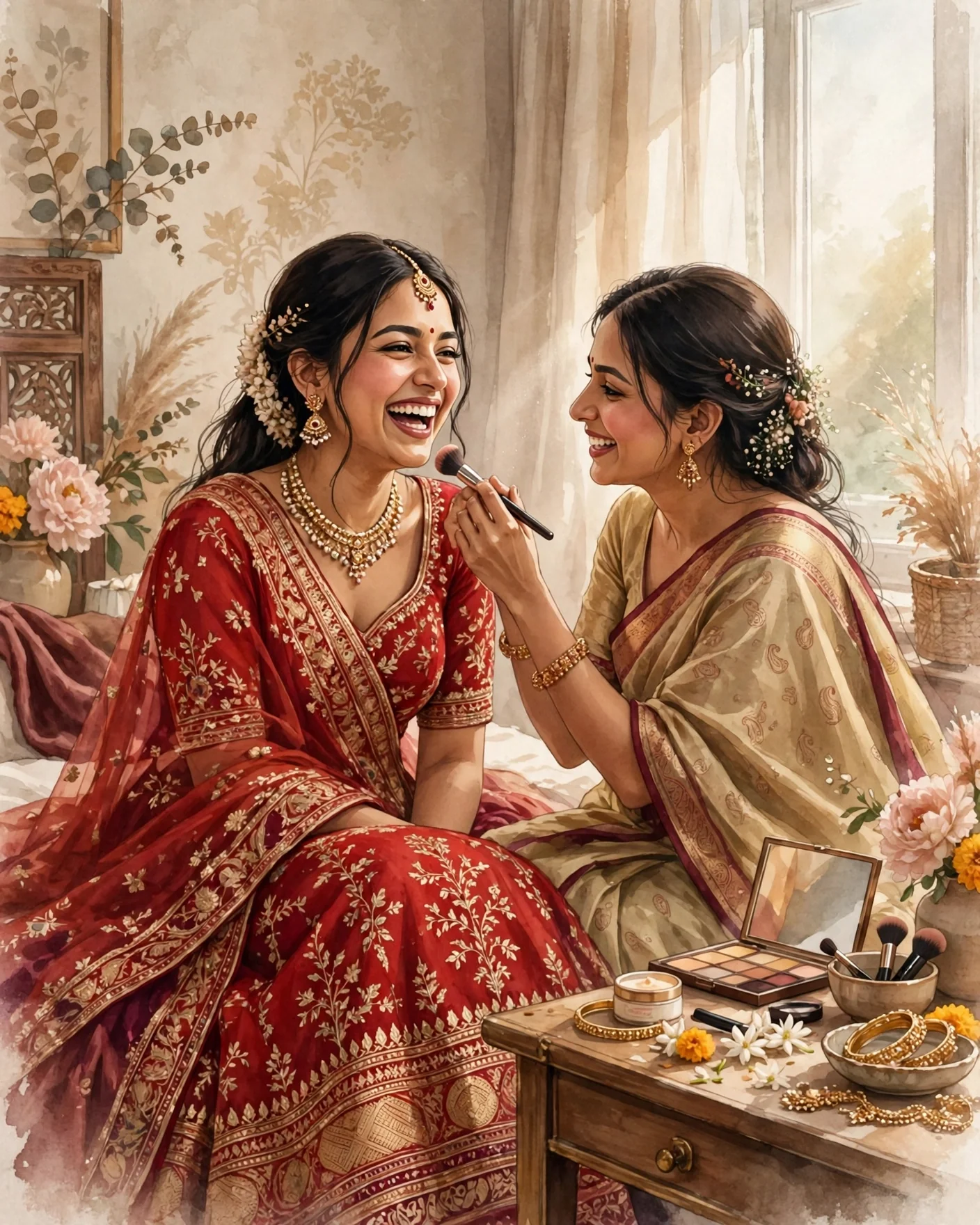
Candid photography captures real moments without posing: a bride laughing with her sister while the makeup is done, a groom nervous before the baraat, a father wiping his eyes during the vidaai, friends dancing without knowing the camera is there. The photographer watches and waits instead of directing. The result feels alive, because it is.
Candid frames are the ones couples love most, because they show how the day felt, not just how it looked. They are also the hardest to shoot well. A good candid photographer reads a room, finds the light, and takes the frame at the exact right second, without interrupting the moment. A weak one produces blurry, awkward frames that look like accidents. The difference is experience, and it shows in the full gallery, not in the highlights.
How the two styles work together
Most Indian weddings today use both styles, and that mix is the right choice for most families. Traditional photography covers the rituals and the family groups, so the record is complete. Candid photography covers the emotion between the rituals, so the album feels alive. The two styles need different skills and different timing, so tell your photographer which moments matter in each style.
Plan the day in two modes. For the rituals, let the photographer direct the traditional frames: the family groups, the couple with the elders, the key ritual moments. For the gaps between rituals, let the photographer work candidly: the waiting, the laughter, the dancing, the small exchanges. A photographer who knows when to direct and when to disappear will give you both, without the day feeling like a photoshoot.
How to choose your mix
If your family is large and traditional, weight the mix towards traditional photography, with candid frames as the second layer. If your wedding is small and intimate, weight it towards candid, with a short traditional session for the family groups. If you are unsure, ask your photographer to show you a full wedding in each style, and notice which frames you keep returning to. The style you return to is the style you want.
Ask the photographer how they work, not just what they shoot. Do they direct the family groups quickly, or do they take an hour? Do they shoot candidly during the rituals, or do they stay out of the way? Do they deliver the candid and traditional frames separately, or mixed in one gallery? The answers tell you whether the photographer can handle both styles, or whether they are strong in one and weak in the other.
What it costs
A photographer who shoots both styles well usually costs more than one who shoots only one, because the work is harder and the team is larger. A Cinematic Invite from MyIndiAura is ₹499, an Invite App is ₹399, and an Invitation Suite is ₹99, so the invitation is a small part of the photography budget. Spend the photography money on the photographer who can do both styles, and ask for a full gallery in each style before you book.
How to use your photos in your invitation
Your candid and traditional photographs serve different parts of the invitation. A Cinematic Invite from MyIndiAura can open with a candid frame that feels alive, then use a traditional frame for the family functions.
- Pick one candid photograph that shows how the day felt, and one traditional photograph that shows the family together.
- Choose a design from the designs page at myindiaura.com/designs that suits the mood of those photographs.
- Add the names, the dates, the venue, and the RSVP button, then preview the invitation on your own phone.
- Share the link on WhatsApp. See myindiaura.com/create to start, and myindiaura.com/pricing for the full price list.
Details to check before you book
- Full galleries seen in both candid and traditional styles
- The mix agreed: which moments are directed, which are candid
- Family group list written in advance, with names and order
- Time set aside for family groups, away from the rituals
- The photographer briefed on the rituals that matter most to your family
- Delivery timeline and number of edited photos agreed in writing
Frequently asked questions
Is candid photography better than traditional photography?
Neither is better. Traditional photography gives you the complete family record, and candid photography gives you the real emotion of the day. Most Indian weddings need both, and the right mix depends on your family, your guest count, and the moments you care about most.
Can one photographer shoot both candid and traditional styles?
Yes, and most experienced wedding photographers do. But the two styles need different skills, so check full galleries in both styles before you book. A photographer who is strong in one style and weak in the other will show it in the full gallery, not in the highlights.
How much time do family group photos take?
Plan thirty to forty five minutes for family groups, with a written list in advance. Without a list, group photos can take over an hour and eat into the rituals. Give the list to the photographer and to one family member who can gather people quickly.
Do we need to pose for candid photos?
No. That is the point of candid photography. The photographer watches and waits for real moments. The only direction is to ignore the camera and enjoy the day. If a photographer asks you to pose for a candid frame, it is not candid.
Which style suits a small intimate wedding?
Candid suits a small wedding best, because the day is relaxed and the moments are real. Keep a short traditional session for the family groups and the rituals, so the record is complete, and let the rest of the day flow candidly.
MyIndiAura theme showcase
These Cinematic Invites from MyIndiAura fit this wedding. Each one is ₹499.
- Rose Film: a film-like invitation that opens the way your wedding film will.
- Atelier Seal: a refined, classic frame for the traditional family portrait.
- Porcelain Doves: soft and serene, for the quiet candid moments.
Related reading
- Wedding Invitation Video Trends for 2026
- How to Make Cinematic Wedding Invitation Videos
- Best Wedding Invitation Video Ideas for Indian Weddings
Create your wedding invitation on MyIndiAura, and let both styles tell your story.
Explore invitation designs
Choose a design and preview it free with your own names.
Found this useful? Share it with someone planning a celebration.
Share