Wedding Food Tasting: What to Check Before Booking
Taste every dish you plan to serve, in the same form guests will eat it. What to check at a wedding food tasting, from salt and heat to the sweets and the service.
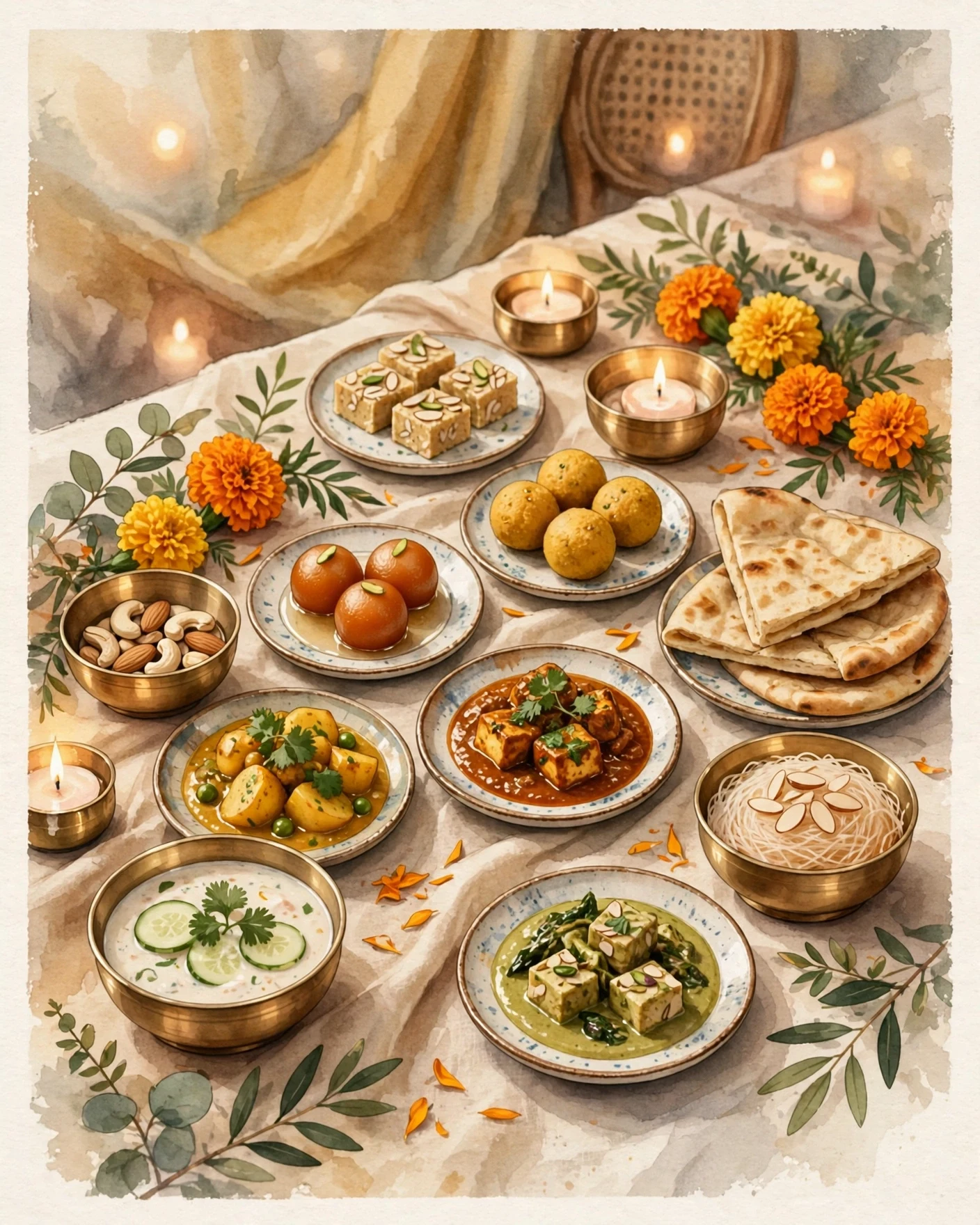
The tasting is your only real preview
A wedding food tasting is the only chance you get to eat the food before a thousand guests do. The brochure, the photos and the recommendations all matter, but none of them tell you how the food tastes. The tasting does, and it is the most important hour of your wedding planning.
Book the tasting after you shortlist the caterer, and before you sign the contract. Taste the dishes you plan to serve, in the same form guests will eat them, and bring the people whose opinions matter: the elders, the parents, and the couple. Four opinions are better than one, and the elders will catch what the young miss.
A tasting is not a free lunch. It is a working session, and you should treat it like one. Take notes, ask questions, and be honest about what you liked and what you did not. A good caterer wants the truth, because they would rather fix a dish now than hear about it from a thousand guests.
What to taste, and in what order
Taste the menu in the order guests will eat it. Start with the welcome drinks and the starters, then the mains, then the breads and rice, then the desserts. Tasting in order tells you how the meal flows, and whether the flavours build or fight each other.
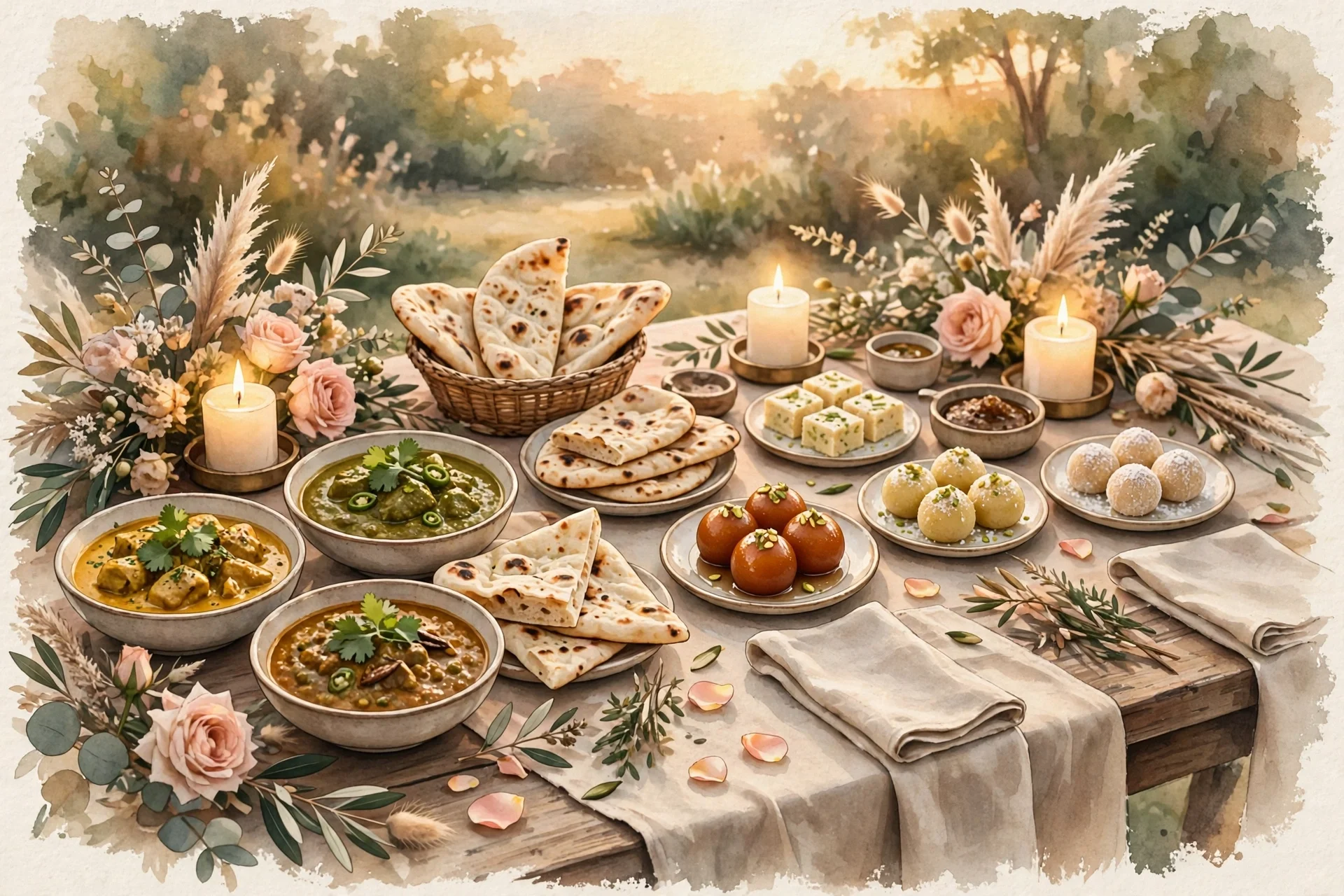
Taste every dish you plan to serve, not just the stars. The dal, the rice and the salad matter as much as the biryani, because guests eat them with every bite. A dal that is flat or a rice that is sticky will spoil a good main dish, and the tasting is where you catch it.
Taste the sweets last, and taste them all. The gulab jamun, the kheer, the jalebi and the cake should each be tasted, because the dessert table is the last taste guests carry home. If the caterer buys the sweets from a halwai, ask to taste the halwai's sweets too.
The details beyond taste: heat, salt and texture
Taste is not the only thing to check. Check the heat, because a dish that is perfect for the couple may be too spicy for the elders. Ask the caterer to mark the spice level of each dish, and to keep a mild version ready for the elders and the children.
Check the salt, because a dish that is slightly under salted at the tasting will taste flat at the wedding, when it is cooked in bulk. Ask the caterer how they adjust salt at scale, and taste the dish again after they adjust it.
Check the texture. The paneer should be soft, not rubbery. The kebab should be moist, not dry. The naan should be soft, not leathery. The rice should be separate, not sticky. Texture is what guests feel in the mouth, and it is the first thing they notice after taste.
Check the temperature. Food that arrives lukewarm at the tasting will arrive cold at the wedding, when it travels further and waits longer. Ask how the caterer keeps food hot, and whether they cook at the venue or drive it in.
How many tastings, and who should come
One full tasting is enough for most weddings, with a short second tasting if the caterer changes a dish. More than two tastings wastes the family's time and the caterer's goodwill, and it rarely changes the decision. Taste once, decide, and move on.
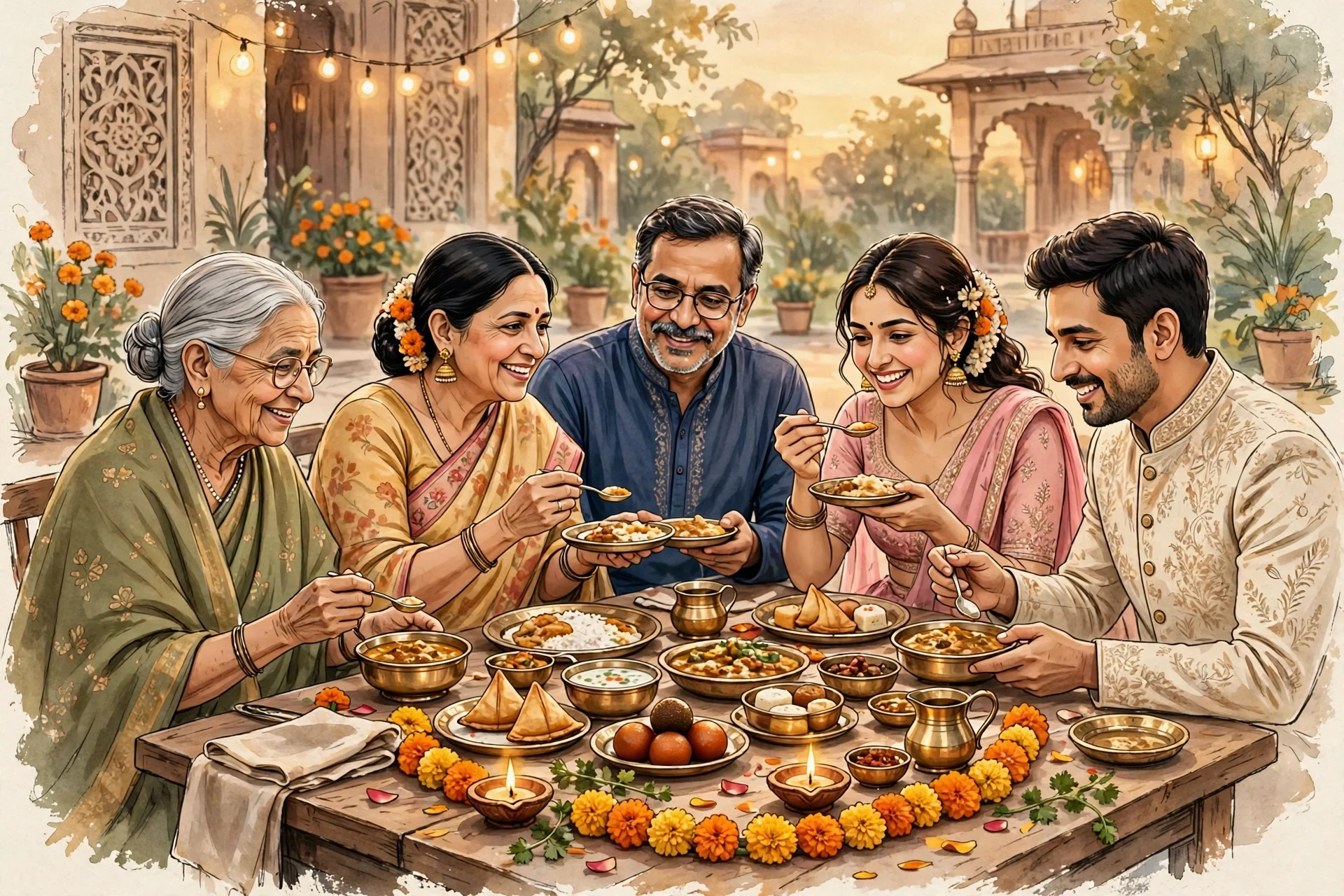
Bring six to eight people: the couple, both sets of parents, and one or two elders whose taste the family trusts. More than that and the tasting becomes a party, with too many opinions and no clear decision.
Take notes at the table, dish by dish, with a simple mark for each: love it, fix it, or drop it. Share the notes with the caterer the same day, while the taste is fresh, and ask them to confirm the changes in writing.
Turning the tasting into a signed menu
After the tasting, sit with the caterer and build the final menu, dish by dish, from the notes. Drop the dishes nobody loved, fix the ones that were close, and keep the ones everyone loved. A menu of eight to ten dishes, all loved, is better than twenty dishes, half of which were only okay.
Confirm the menu in writing, with the dish names, the quantities, the guest count, and the price per plate. The tasting notes should be attached to the contract, so the caterer cooks what you tasted, not a different version on the day.
Agree the final count a week before the wedding, and confirm the menu once more in the final week. The caterer should cook the same food you tasted, in the same way, at the same quality. If anything changes, the caterer should tell you, not surprise you on the day.
What it costs
On MyIndiAura, a Cinematic Invite is ₹499, an Invite App is ₹399, and an Invitation Suite is ₹99. Choose by what your invitation needs to do, not by price alone. A cinematic invite suits a wedding with a film led opening, while an invite app suits a full week of functions with RSVP and maps.
How to create your wedding invitation
- Pick a design from the designs page at myindiaura.com/designs.
- Add the couple's names, the dates, the venue, and the order of events, with the meal timing for each function.
- Add photos of the couple, the venue map, and the RSVP button.
- Preview the invitation on your own phone, then share the link on WhatsApp. See myindiaura.com/create to start, and myindiaura.com/pricing for the full price list.
Details to check before you send
- The names of the bride and groom, with parents, spelt exactly as the families use them
- The wedding date, time and full venue address, with a map link
- The meal timing and seating plan for each function
- The RSVP contact for guests who need directions or food help
- The order of events, with times for each ceremony
- A dress code note, if you want guests in a particular style
Frequently asked questions
When should we do the food tasting?
After you shortlist the caterer, and before you sign the contract. The tasting is your only real preview, so it should come before any money is paid.
How many people should come to the tasting?
Six to eight: the couple, both sets of parents, and one or two elders. More than that and the tasting becomes a party, with too many opinions and no clear decision.
Should we taste every dish on the menu?
Yes, every dish you plan to serve, in the same form guests will eat it. The dal and the rice matter as much as the biryani, because guests eat them with every bite.
What if we do not like a dish at the tasting?
Say so plainly, and ask the caterer to fix it or drop it. A good caterer wants the truth, and would rather fix a dish now than hear about it from a thousand guests.
Do caterers charge for a tasting?
Some do, some do not, and many adjust the charge against the final bill if you book them. Ask before you go, and treat the tasting as a working session, not a free lunch.
MyIndiAura theme showcase
These Cinematic Invites from MyIndiAura fit this wedding. Each one is ₹499.
- Kesar Swagat: a warm saffron welcome for a table worth tasting.
- Charbagh Dastaan: a garden at dusk for a long, slow dinner.
- Resham Satin: silk and soft light for a graceful evening.
Related reading
- Indian Wedding Planning Checklist: 12 Months to the Wedding Day
- How to Plan a Wedding on a Budget in India
- Wedding Budget Planner: Essential Expenses to Include
The tasting is the only hour when the wedding food is yours alone, so use it well, take notes, and sign only what you loved.
Explore invitation designs
Choose a design and preview it free with your own names.



Found this useful? Share it with someone planning a celebration.
Share