Bengali Wedding Food: From Shorshe to Mishti
Shorshe ilish, kosha mangsho, luchi and a table full of mishti. The Bengali wedding meal, course by course, and how to serve it so every guest tastes the best of it.
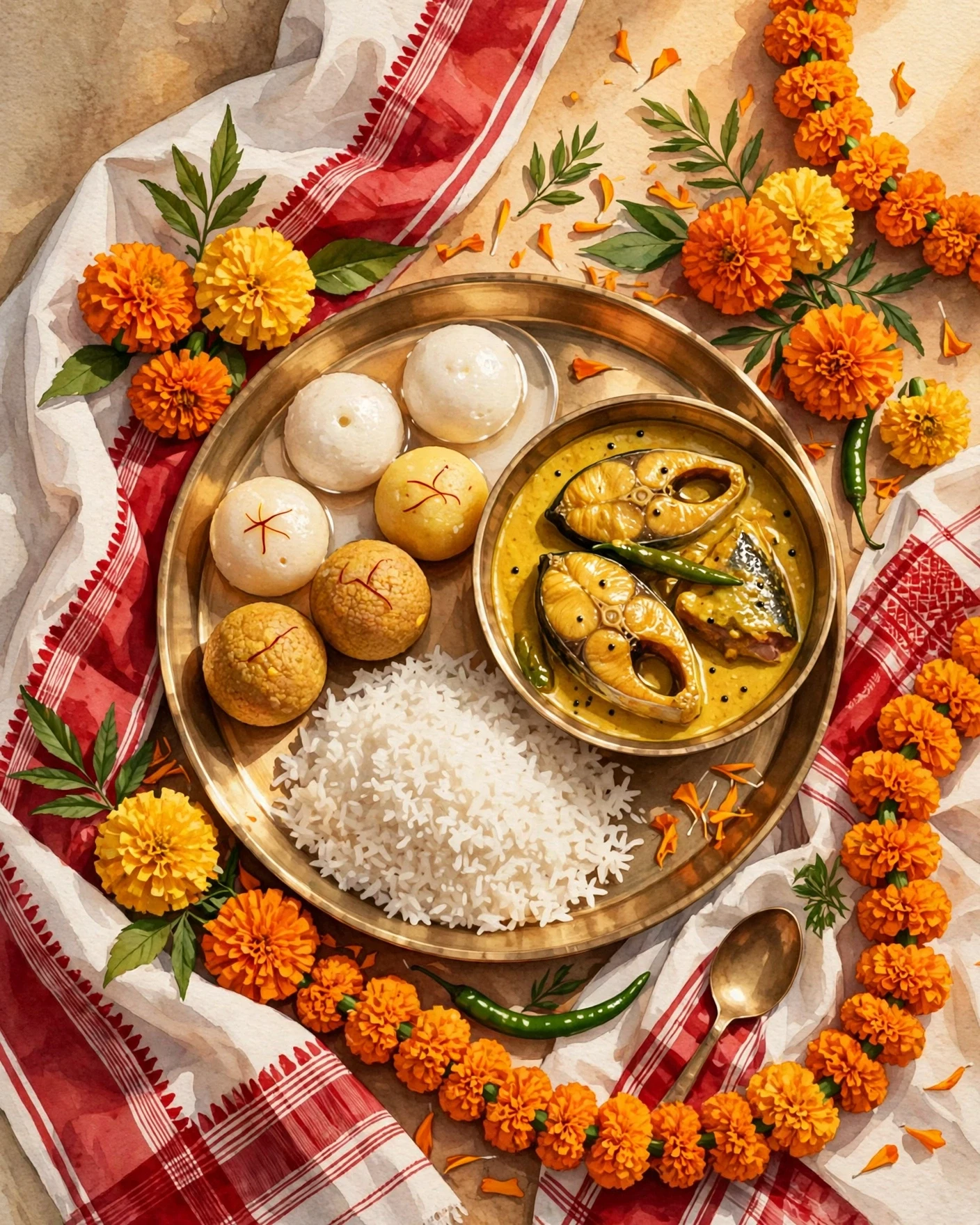
The Bengali wedding table, course by course
A Bengali wedding meal is a slow build, course by course, and it is one of the great wedding meals of India. It begins with a bitter, moves through fish and meat, and ends with a parade of sweets. Guests eat it sitting down, in order, and the meal itself becomes part of the ceremony.
The meal is usually served at the wedding dinner or the reception lunch, with guests seated at tables and servers bringing each course. Unlike a buffet, nobody rushes. The courses arrive one by one, and the table talks between them. That unhurried pace is the point.
Plan the meal with the caterer as a sequence, not a list. The order of the dishes matters as much as the dishes themselves, because Bengali food is built on contrast: bitter then rich, fish then meat, savoury then sweet.
Shorshe and the fish course
The meal opens with shukto, a lightly bitter mixed vegetable dish that wakes up the palate. Then comes the fish, and fish is the heart of the Bengali wedding table. Shorshe ilish, hilsa in a mustard sauce, is the most loved dish, with doi maach and chingri malai curry close behind.
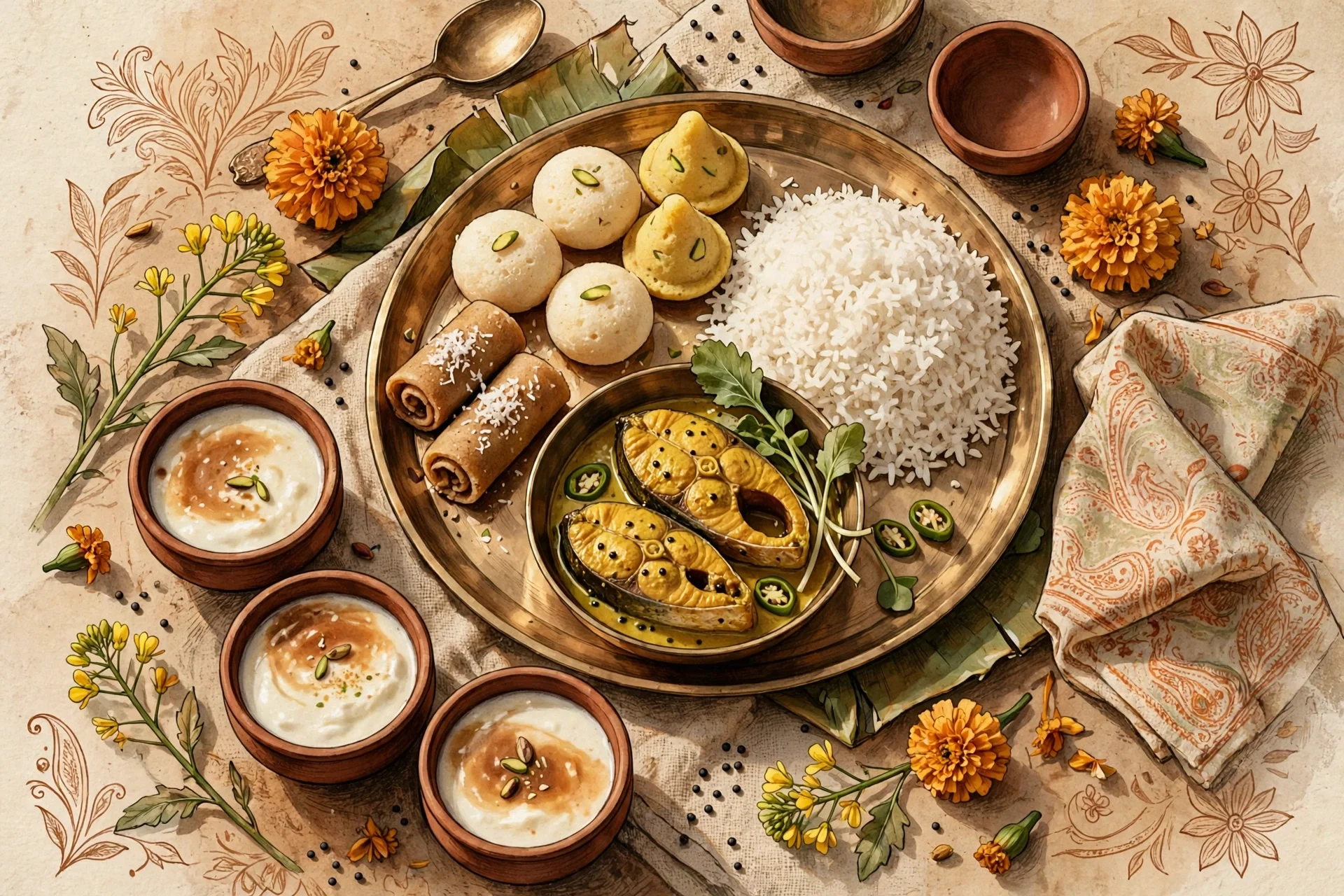
Hilsa is seasonal and costly, so confirm the supply with the caterer a month ahead, and agree on a second fish if hilsa is scarce. A good doi maach or a well made chingri malai curry will satisfy guests just as well, and it is better to serve a great second fish than a poor hilsa.
Serve the fish with steamed rice and a small portion of dal. The mustard sauce is strong, so the rice should be plain and plentiful. Keep the fish pieces generous, because guests will remember the fish course more than any other savoury dish.
The mutton, the pulao and the chutney
After the fish comes kosha mangsho, mutton cooked slow and dark, served with luchi or pulao. This is the richest course, and the one guests ask for seconds of. The mutton should fall off the bone, and the gravy should be thick enough to coat the rice.
The pulao is fragrant rather than fiery, with whole spices and a few raisins, and it balances the mutton. Between the rich courses, serve a tomato chutney and a small salad to clean the palate. The chutney is not a side dish, it is the bridge to the sweets.
For vegetarian guests, the Bengali table has its own riches: shukto, aloo posto, dhokar dalna and a paneer dish cooked in a Bengali style. Serve them with the same care and the same number of courses, not as an afterthought, because a third of the guest list may be vegetarian.
Mishti: the sweet finish
No Bengali meal ends without mishti, and a wedding ends with a table of it. Rosogolla, sandesh, mishti doi and chomchom are the classics, and many families add a few modern pieces like a baked rosogolla or a chocolate sandesh. Serve three or four sweets, not ten, so guests taste each one properly.
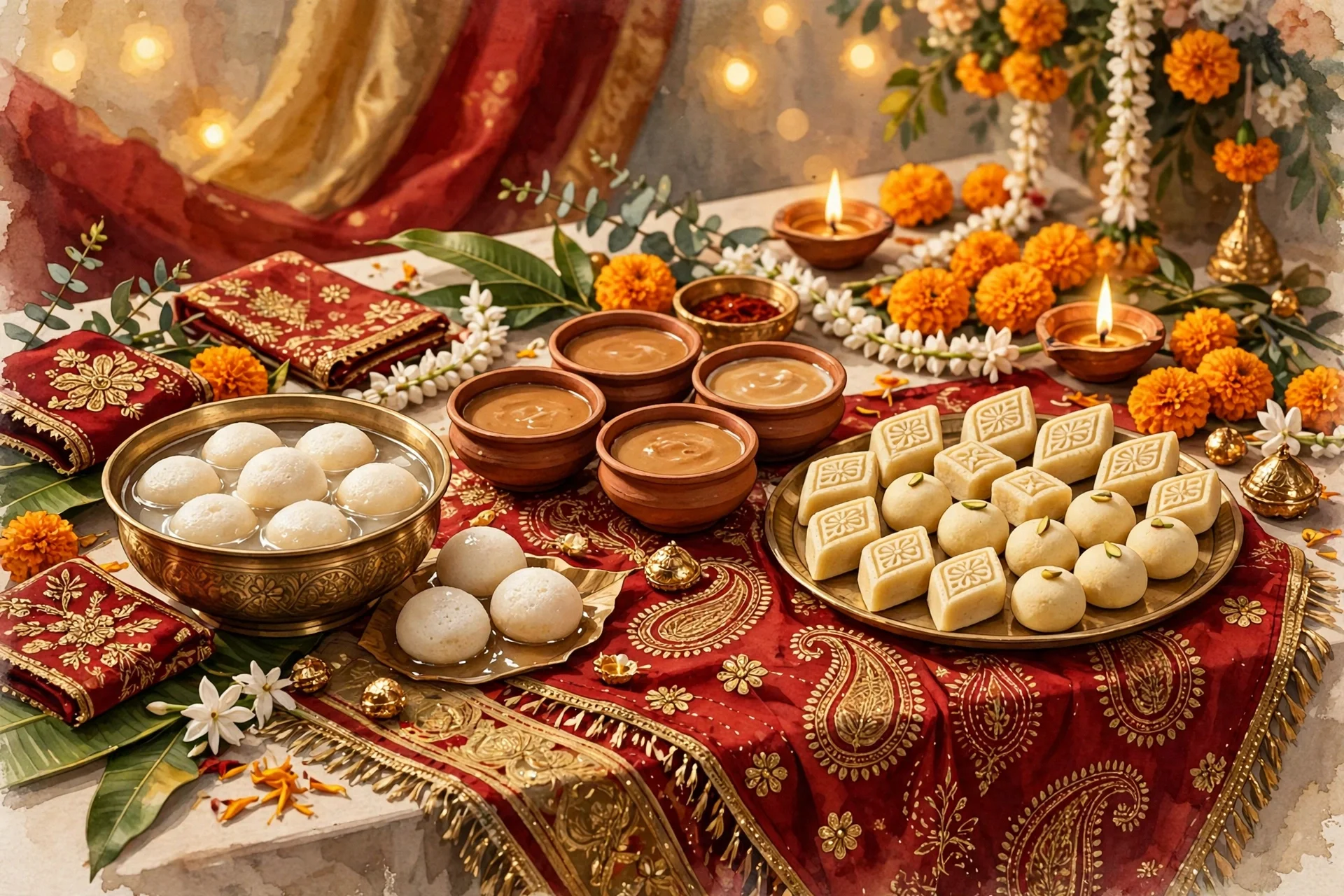
Mishti doi, set in small clay bowls, is the most loved finish, cool and creamy after the rich courses. Order it from a trusted sweet maker, not from the caterer, if the caterer does not make it fresh. The doi should be set the same morning, and served chilled.
A live mishti counter, with a halwai making hot jalebi or fresh sandesh, turns dessert into a small show. Guests gather around it, and children love watching the sweets being made. Keep it near the dining hall, not outside, so guests find it easily.
Planning portions and timing
A seated Bengali meal takes about an hour, so plan the seating in waves. Seat the elders first, then the families, then the friends. Each wave should finish before the next begins, so the servers stay in rhythm and the food stays hot.
Order for a tenth more than the headcount for the fish and the mutton, because those are the dishes guests ask for twice. Order the sweets for the full count plus a little extra, because guests will take two pieces and ask for a box to carry home. A sweet box for each guest is a lovely parting gift, and it costs little.
Tell the caterer the number of children and elders, and ask for milder fish and softer mutton for their tables. The same dishes, cooked a little gentler, so everyone eats the same meal.
What it costs
On MyIndiAura, a Cinematic Invite is ₹499, an Invite App is ₹399, and an Invitation Suite is ₹99. Choose by what your invitation needs to do, not by price alone. A cinematic invite suits a wedding with a film led opening, while an invite app suits a full week of functions with RSVP and maps.
How to create your wedding invitation
- Pick a design from the designs page at myindiaura.com/designs.
- Add the couple's names, the dates, the venue, and the order of events, with the dinner timing for each function.
- Add photos of the couple, the venue map, and the RSVP button.
- Preview the invitation on your own phone, then share the link on WhatsApp. See myindiaura.com/create to start, and myindiaura.com/pricing for the full price list.
Details to check before you send
- The names of the bride and groom, with parents, spelt exactly as the families use them
- The wedding date, time and full venue address, with a map link
- The dinner timing and seating plan for each function
- The RSVP contact for guests who need directions or food help
- The order of events, with times for each ceremony
- A dress code note, if you want guests in a particular style
Frequently asked questions
What is shorshe ilish?
Shorshe ilish is hilsa fish cooked in a mustard sauce, the most loved dish of a Bengali wedding. The mustard is strong and the fish is rich, so it is served with plain steamed rice.
How many courses should a Bengali wedding meal have?
Seven to nine courses is the wedding standard, from shukto through fish and mutton to mishti. Fewer feels thin, more becomes hard to serve in good time.
Should we serve fish to all guests?
Serve fish and mutton at the main tables, and a full vegetarian Bengali menu at the vegetarian tables. Both should have the same number of courses and the same care.
Can we serve Bengali food at a buffet?
Yes, but a seated service suits it better, because the courses arrive in order. If you choose a buffet, keep the fish and mutton at live counters and label every dish clearly.
What sweets should we order?
Rosogolla, sandesh and mishti doi are the essentials. Add one modern sweet, like baked rosogolla, for variety, and keep the total to three or four so guests taste each one.
MyIndiAura theme showcase
These Cinematic Invites from MyIndiAura fit this wedding. Each one is ₹499.
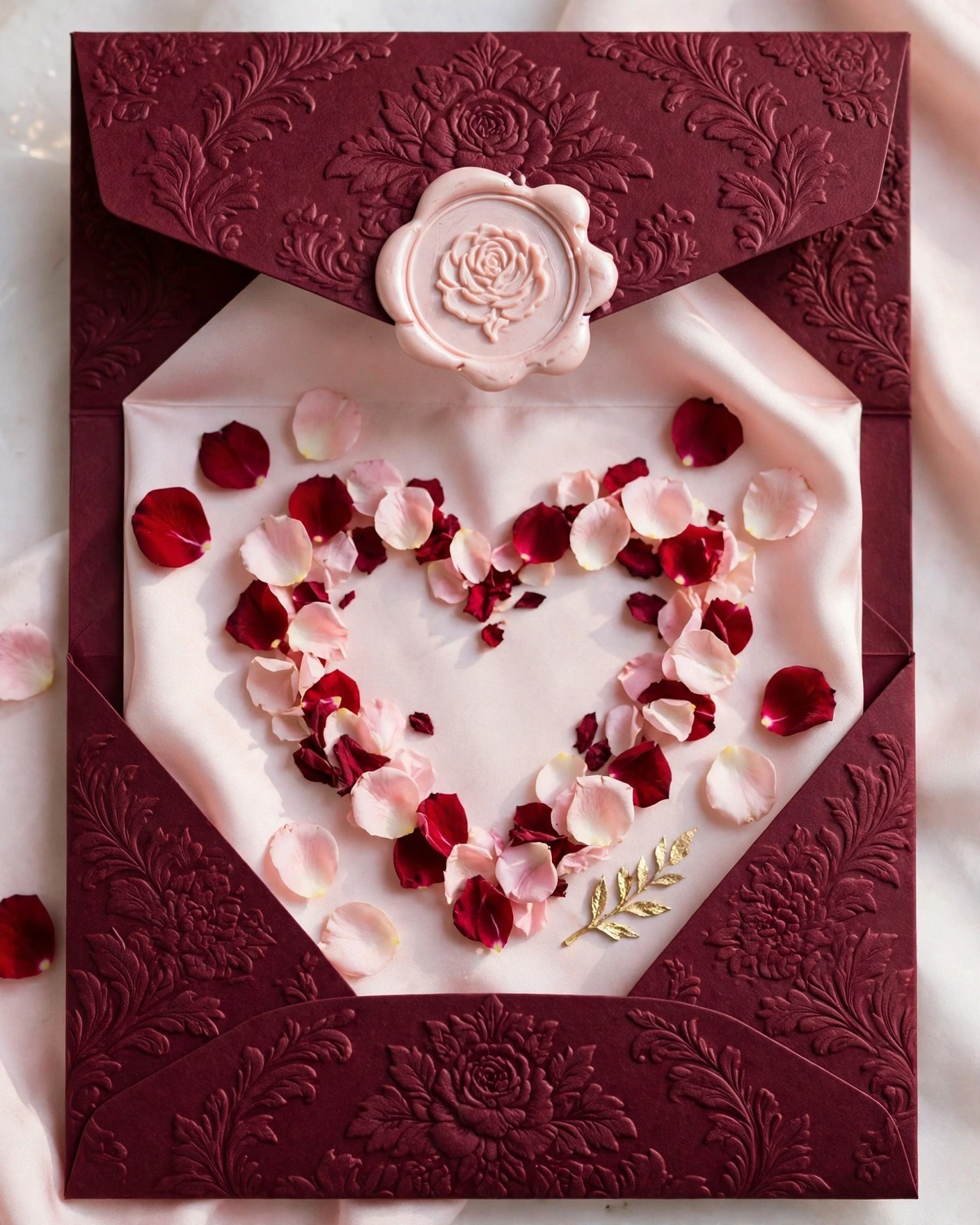
- Gulab Dil: rose and sweet tones that suit a table full of mishti.
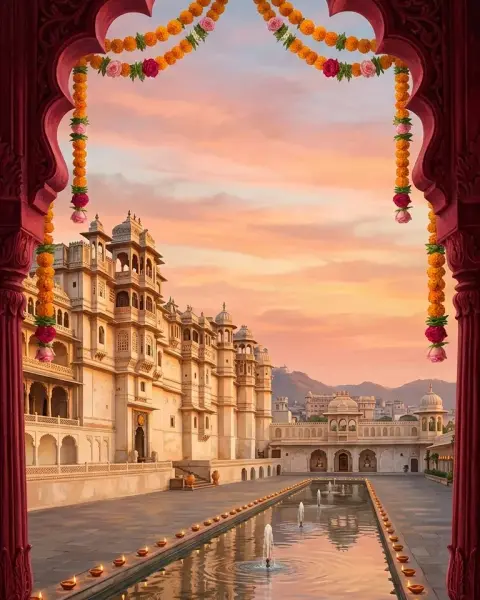
- Charbagh Dastaan: a garden at dusk for a long, slow dinner.
- Mandap Yatra: a walk to the mandap, warm and welcoming.
Related reading
- How to Plan a Memorable Wedding Reception
- Wedding Reception Invitation Wording and Examples
- Indian Wedding Planning Checklist: 12 Months to the Wedding Day
From the first bitter shukto to the last spoon of mishti doi, a Bengali wedding meal is a story told in courses.
Explore invitation designs
Choose a design and preview it free with your own names.

Found this useful? Share it with someone planning a celebration.
Share